Mauritania is generally safe for tourists who stick to Nouakchott, Nouadhibou, and major transport routes, but the eastern desert regions and border zones carry serious security risks from terrorism and kidnapping. Most visitors experience a welcoming culture and trouble-free trip by following basic precautions and staying informed about government travel advisories. This guide covers what every traveller needs to know about safety in Mauritania in 2026.
Current Government Travel Advisories
Different governments assess Mauritania’s safety at different levels. Here is how the major English-speaking countries rate travel to Mauritania as of 2026:
| Country | Advisory Level | Key Restriction |
|---|---|---|
| United States (State Dept.) | Level 2: Exercise Increased Caution | Reconsider travel to eastern regions |
| United Kingdom (FCDO) | Advise against all travel to eastern areas | 25km Mali border no-go zone |
| Canada (Travel.gc.ca) | Exercise a high degree of caution | Avoid all travel near Mali border |
| Australia (Smartraveller) | Exercise a high degree of caution | Do not travel to eastern provinces |
The US State Department assigns Mauritania a Level 2 advisory, meaning travellers should exercise increased caution due to terrorism and crime. The UK FCDO goes further, advising against all travel to areas east of a line drawn between Kankossa, Akhreijit, Ghallaouia, Zouerat, and Fderick, and within 25km of the Malian border.
Before you book, always check the latest advisory from your country’s foreign affairs department. Advisories can change quickly in response to regional events. For visa and entry details, see our complete Mauritania entry requirements guide.
Terrorism Risk in Mauritania
Terrorism remains the primary security concern in Mauritania. The country sits in the Sahel region, where extremist groups including affiliates of al-Qaeda in the Islamic Maghreb (AQIM) and ISIS have operated for years.
Where the risk is highest:
- Eastern Mauritania, especially provinces bordering Mali and Algeria
- Remote desert areas away from major towns
- The border zone within 25km of Mali
- Areas around Zouerat, Fderick, and the iron ore mining region
Where the risk is lower:
- Nouakchott (the capital) has a visible security presence
- Nouadhibou and the coastal corridor
- Major paved highways between cities
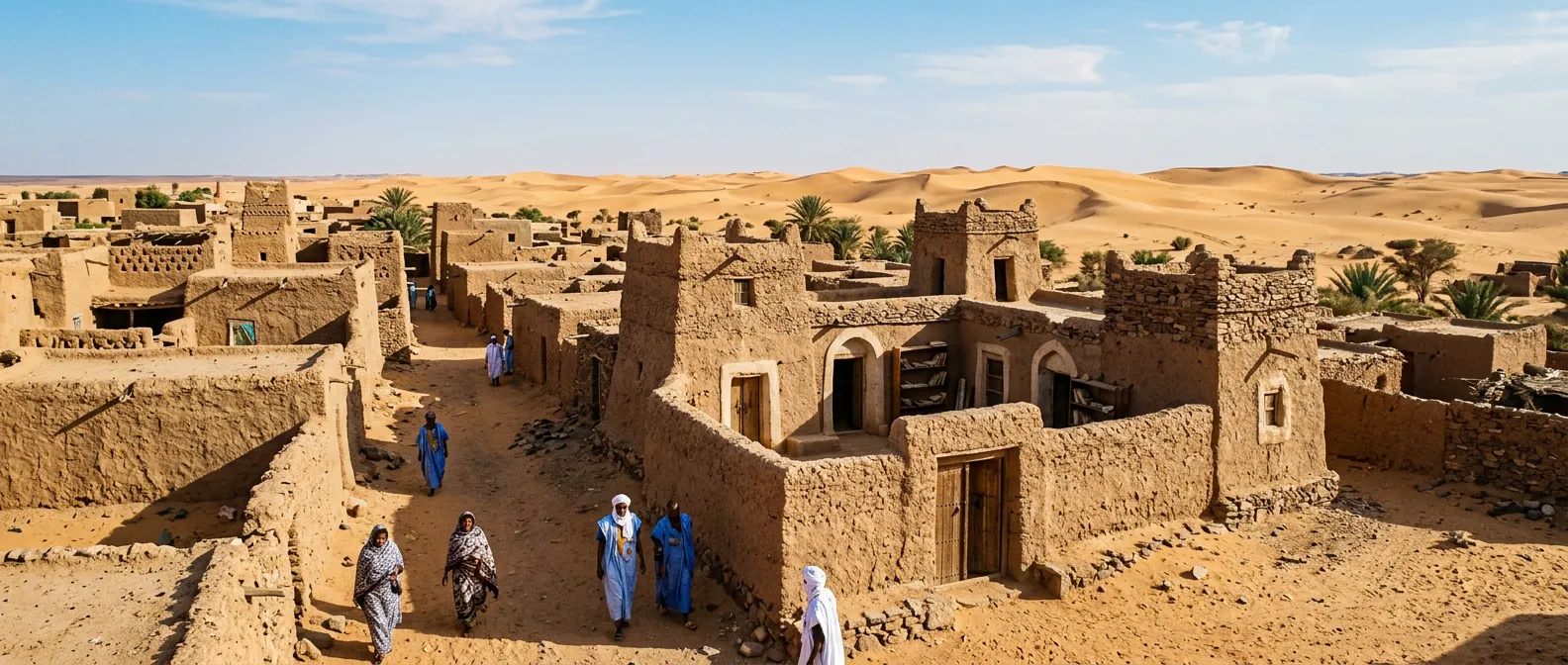
- Tourist sites like Chinguetti and Ouadane when accessed via established routes
Since 2010, Mauritania has not experienced a major terrorist attack on its soil, partly due to increased security cooperation with Western nations and active military patrols. However, the porous borders in the Sahel mean the threat never fully disappears.
Practical steps to reduce your risk:
- Avoid travelling to eastern Mauritania without professional security
- Stay on well-travelled roads and avoid remote desert tracks
- Choose hotels with visible security measures
- Monitor local media and embassy alerts during your trip
- Register with your embassy before travelling
Crime and Personal Safety
Crime levels in Mauritania are moderate compared to some West African neighbours, but incidents do occur, especially in Nouakchott.
Types of crime visitors may encounter:
- Petty theft and pickpocketing in crowded markets and the cinquieme (fifth) district of Nouakchott
- Armed robbery on isolated roads, particularly in northern and eastern regions
- Carjacking has been reported on roads between Mauritania and Mali
- Beach crime around Nouakchott, especially after dark
Safety tips for everyday life:
- Keep car doors locked and windows up while driving
- Avoid walking alone at night, especially outside central areas
- Do not display expensive jewellery, cameras, or phones openly
- Use hotel safes for passports and valuables
- Travel in groups when possible, especially women
Women travelling solo should take extra precautions. Harassment can occur, and modest dress is expected throughout the country. For a full overview of what to expect, see our Mauritania travel guide.
Road Safety and Transport
Road travel in Mauritania presents real challenges. Outside the main highways, conditions can be dangerous.
Road conditions:
- The Nouakchott-Nouadhibou road and routes to Senegal are in reasonable condition
- Most other roads are poorly maintained, unpaved, or sand-covered
- Desert driving requires a 4×4 vehicle and experienced local knowledge
- Driving at night is strongly discouraged due to poor lighting, livestock on roads, and unmarked hazards
Key road safety advice:
- Always carry extra water, fuel, and food for long journeys
- Travel in a convoy when heading into the desert
- Check tide times before driving on coastal roads (some sections flood at high tide)
- Hire a local driver or guide for off-road travel
- Be aware of unexploded landmines near the Western Sahara border
Public transport is limited. Shared taxis operate between cities, but vehicles may be poorly maintained. Domestic flights connect Nouakchott with Nouadhibou and a few interior towns.
Health and Medical Safety
Healthcare infrastructure in Mauritania is limited, especially outside Nouakchott. Travellers should prepare carefully.
Key health risks:
- Malaria is present year-round in most regions (except the far north)
- Yellow fever vaccination is required if arriving from a risk country
- Dengue fever occurs, with no vaccine or specific treatment
- Cholera outbreaks happen periodically
- Rabies is present; avoid contact with stray dogs and cats
Medical care quality:
- Private clinics in Nouakchott are adequate for minor issues
- Serious injuries or illness require medical evacuation to Morocco or Europe
- Medical evacuation is very expensive; ensure your travel insurance covers it
- Public hospitals outside the capital have very limited facilities
- Carry a basic first-aid kit and any prescription medications you need
Before you travel:
- Visit a travel medicine clinic 6-8 weeks before departure
- Get vaccinated for yellow fever, hepatitis A and B, typhoid, and meningitis
- Bring antimalarial medication and insect repellent
- Drink only bottled or boiled water
- Avoid uncooked food from street vendors
Local Laws and Customs You Must Know
Mauritania is an Islamic republic, and its laws reflect strict religious principles. Ignorance of the law is not accepted as a defence.
Illegal activities:
- Possession or use of any drugs, including cannabis (heavy fines or imprisonment)
- Alcohol import, export, or consumption by private citizens
- Photographing military installations, airports, government buildings, or religious sites without permission
- Importing non-Islamic religious materials for distribution
- Preaching any non-Islamic religion
LGBTQ+ travellers:
Mauritania’s penal code criminalises same-sex relations. While the death penalty is on the books, a de facto moratorium exists. LGBTQ+ travellers should exercise extreme discretion and be aware of the legal and social environment.
Ramadan:
During the holy month of Ramadan, eating, drinking, or smoking in public during daylight hours is considered deeply disrespectful. Plan your meals around your accommodation and be sensitive to those fasting.
Dress code:
Modest dress is expected everywhere. Women should cover arms and legs; men should avoid shorts in formal or religious settings. Beachwear is only appropriate at resort pools, not public beaches.
Photography:
Always ask permission before photographing people. Unauthorised photography of government or military buildings can lead to detention.
Safe Areas vs. Areas to Avoid
| Area | Safety Level | Notes |
|---|---|---|
| Nouakchott (centre) | Generally safe | Stay alert for petty crime |
| Nouadhibou | Generally safe | Industrial port city, limited tourist infrastructure |
| Coastal highway (Nouakchott-Nouadhibou) | Safe with caution | Well-travelled, check tides |
| Chinguetti and Ouadane | Moderate risk | Accessible via guided tours from Atar |
| Banc d’Arguin National Park | Moderate risk | Use licensed tour operators |
| Eastern provinces (Hodh ech Chargui, Hodh el Gharbi) | High risk | Avoid all travel |
| Mali border (25km zone) | Very high risk | FCDO advises against all travel |
| Western Sahara border zone | High risk | Landmine risk, stay on main roads |
The safest approach for most tourists is to base yourself in Nouakchott and take organised day trips or short excursions with reputable operators.
Emergency Contacts in Mauritania
| Service | Number |
|---|---|
| Police | 117 |
| Fire and Rescue | 118 |
| Gendarmerie | 116 |
| Medical Emergency | 118 |
| ANRPTS (eVisa support) | [email protected] |
Embassy contacts:
- US Embassy Nouakchott: +222 4525-2660 (after-hours emergency line available)
- British Embassy: Services handled by British Embassy in Dakar, Senegal (+221 33 823 2323)
- French Embassy Nouakchott: +222 4525-4949
- Canadian Embassy: Services handled by Embassy of Canada in Rabat, Morocco
Keep these numbers saved on your phone and written on paper in case your device is lost or stolen.
Travel Insurance: Non-Negotiable
Standard travel insurance may not cover Mauritania, or may exclude coverage for certain regions. You need a policy that specifically covers:
- Medical evacuation (can cost $50,000+ from Mauritania)
- Repatriation of remains
- Travel to regions with government advisories
- Adventure activities if you plan desert trekking
- Theft of personal belongings
Read your policy wording carefully before departure. Some insurers exclude coverage entirely if you travel to areas your government advises against visiting. For visa application details and costs, see our guide on Mauritania visa fees.
Practical Safety Checklist
Before your trip, make sure you have:
- Valid passport with at least 6 months validity
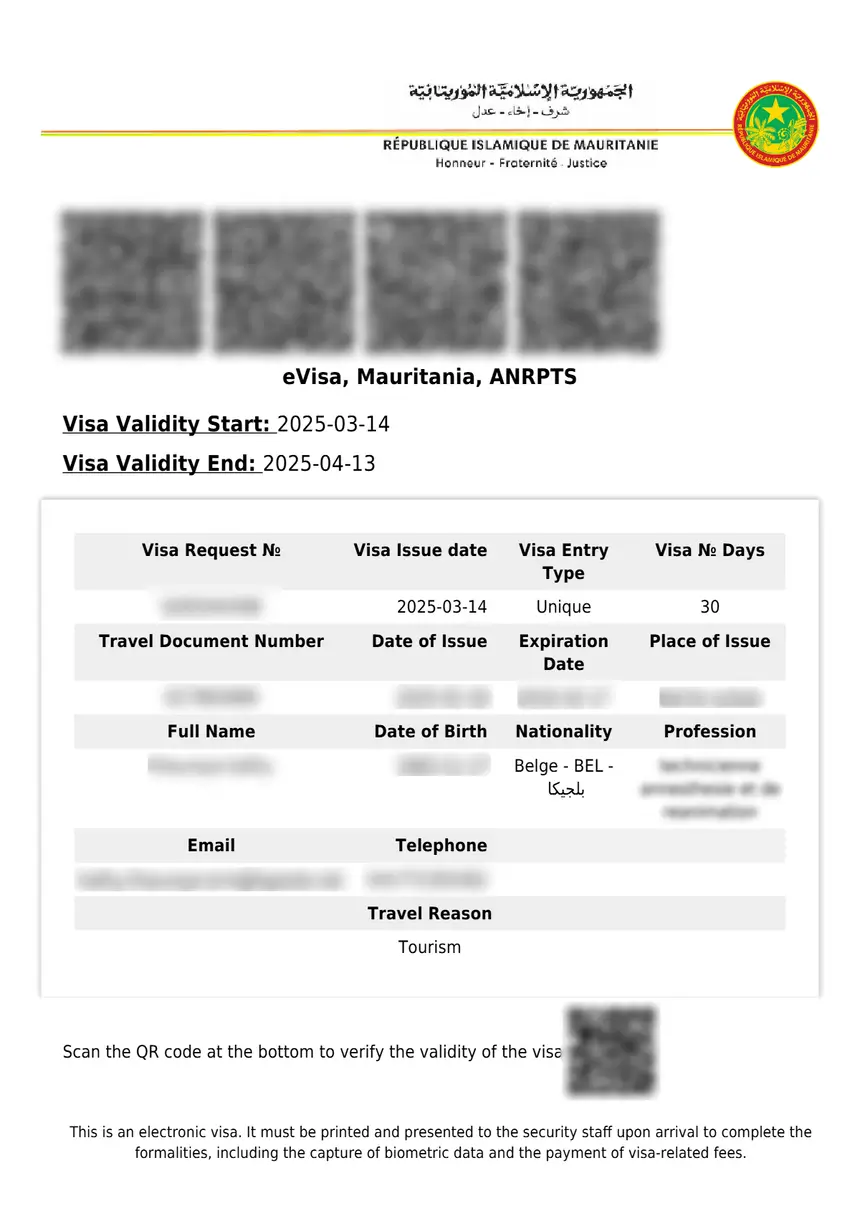
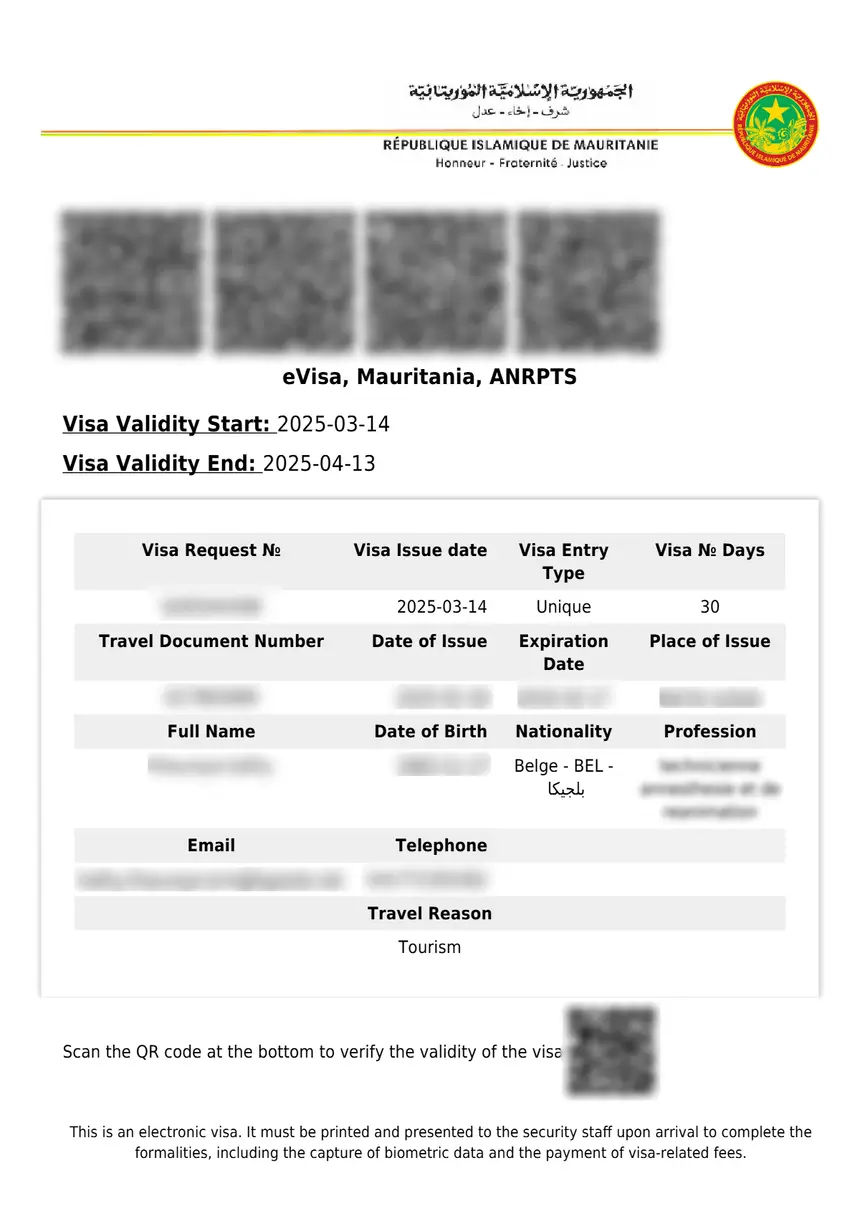
- Mauritania eVisa approved and printed
- Comprehensive travel insurance with evacuation coverage
- Yellow fever vaccination certificate (if required)
- Antimalarial medication
- Embassy registration completed
- Copies of all documents stored digitally and in paper
- Emergency contacts saved on your phone
- Local SIM card or roaming plan for connectivity
During your trip:
- Stay aware of your surroundings at all times
- Avoid large gatherings and protests
- Do not travel at night outside urban areas
- Keep your embassy’s contact details accessible
- Monitor local news and security updates
- Respect local customs and dress codes
Is Mauritania Safe for Tourists in 2026?
Yes, with caveats. Nouakchott, the main coastal cities, and well-established tourist routes like the Adrar region (Chinguetti, Ouadane) are generally safe for visitors who take reasonable precautions. The Mauritanian government invests significantly in security, and the country has avoided the instability seen in neighbouring Mali and parts of the Sahel.
However, the eastern desert regions remain off-limits for independent travel, and all visitors should stay informed about evolving security conditions. Mauritania rewards those who prepare well: its ancient cities, vast desert landscapes, and Saharan hospitality make it one of West Africa’s most unique destinations.
For the latest visa information and how to apply, visit our complete Mauritania eVisa guide.
FAQs About Safety in Mauritania
Is Nouakchott safe for tourists?
Nouakchott is generally safe for tourists, especially in the city centre and main commercial areas. Petty crime like pickpocketing can occur in crowded markets, so keep valuables secure and avoid walking alone at night.
Can I travel to the desert regions of Mauritania safely?
Desert regions like the Adrar (Chinguetti, Ouadane) can be visited safely with a reputable tour operator and local guide. Independent desert travel is strongly discouraged due to navigation risks, extreme heat, and the remote nature of the terrain.
Is there a risk of kidnapping in Mauritania?
Kidnapping by extremist groups is a risk in the Sahel region, particularly near the Mali and Algeria borders. The risk is highest in eastern Mauritania. Western tourists are advised to avoid these areas and travel with professional security if visiting remote regions.
Do I need vaccinations for Mauritania?
Yellow fever vaccination is required if arriving from a risk country. Recommended vaccinations include hepatitis A and B, typhoid, meningitis, and rabies. Antimalarial medication is essential for most regions.
What should I do in an emergency in Mauritania?
Call 117 for police or 118 for fire/medical emergencies. Contact your embassy immediately if you are a victim of crime. Always get a police report for insurance purposes.
Is it safe to drink tap water in Mauritania?
No. Drink only bottled water with an intact seal or water that has been properly boiled. Avoid ice in drinks and be cautious with food from street vendors.
Are there landmines in Mauritania?
Unexploded landmines from past conflicts exist near the Western Sahara border. Stay on well-travelled roads in this region and do not walk off-road in border areas.
Is Mauritania safe for solo female travellers?
Solo female travellers can visit Mauritania but should take extra precautions. Dress modestly, avoid walking alone after dark, and consider hiring a local guide. Harassment can occur, though most visits are trouble-free with proper planning.
What is the safest way to get around Mauritania?
Hiring a local driver with a 4×4 vehicle is the safest option for intercity travel. Domestic flights connect Nouakchott with Nouadhibou. Avoid night driving and always travel with extra supplies for desert journeys.
Has Mauritania had any recent terrorist attacks?
Mauritania has not experienced a major terrorist attack since 2010. The government maintains active counter-terrorism operations and cooperates with Western nations on security. However, the threat level remains elevated due to regional instability in the Sahel.